


Timber That Remembers the Coast
Outdoor chairs can come inside if they do not bring a conservatory with them. This note is about salt, teak, linen, and a short table for indoor use, a covered terrace, open air, and winter storage.
NORDIC is a sample storefront built with Fatleon. This journal shows how a merchant blog page can look — cover, summary, photographs, and tables. To learn more about Fatleon, visit fatleon.com.
A coastal chair is made for weather, then asked to sit in a living room. If you treat it as a theme — rope, stripes, a palm in a pot — the room becomes a conservatory that forgot its glass. In the sample rooms we bring the timber in and leave the holiday out. Salt is a finish. It is not a story you have to tell twice.
Salt is a finish, not a motif
Teak goes grey in the air; that grey is useful indoors if the rest of the room stays quiet. The VISBY Outdoor Lounge still looks as if it could go back outside, which is why it works against plaster rather than against floral print. The Namsos Coast Chair is slighter. One of them is enough. Two of them, plus a lantern, is a terrace that wandered in.
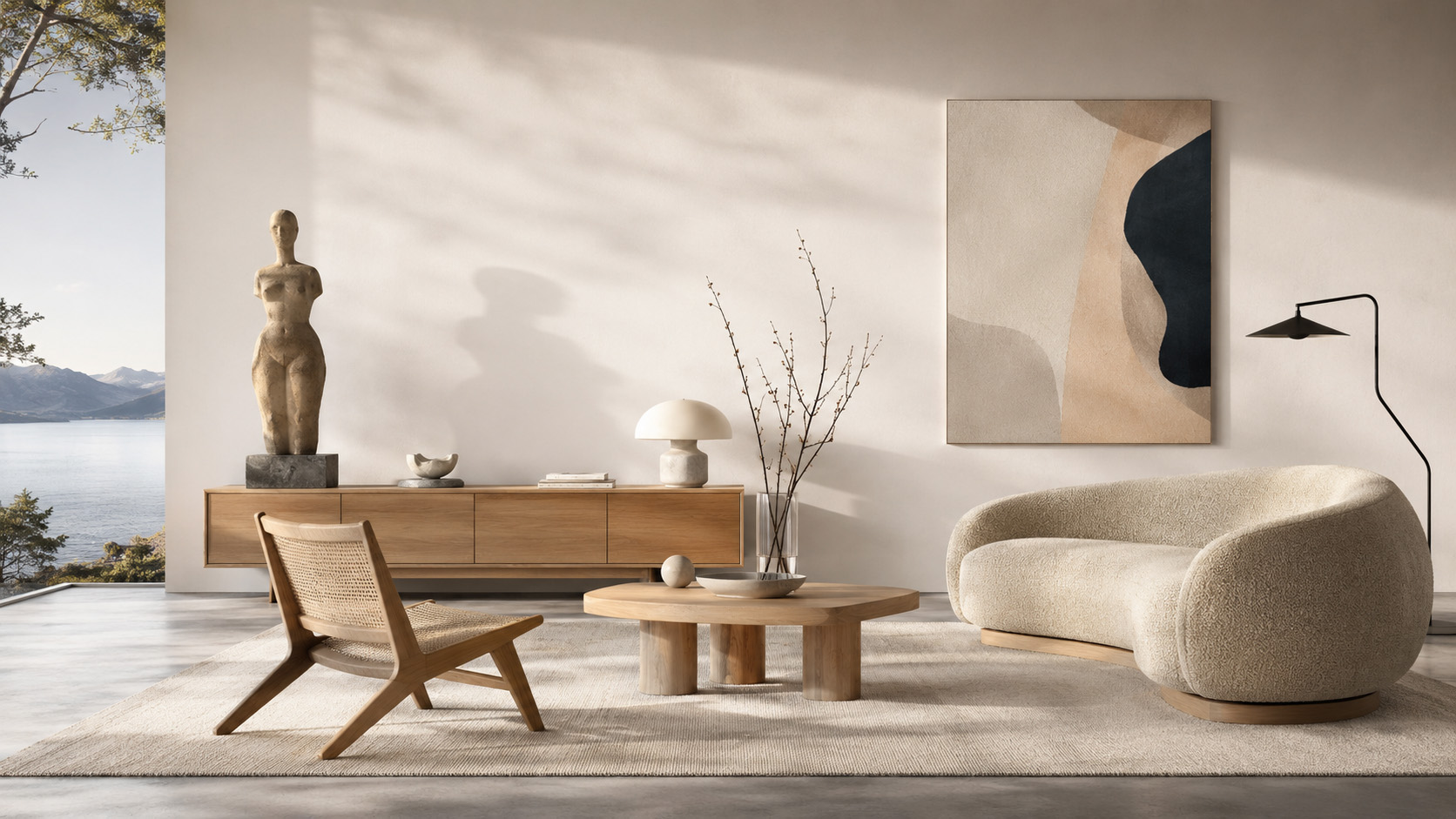
If every object in the room remembers the coast, nobody can sit down without packing a bag. Let the chair keep the weather in the grain, and let the cushions be linen that could belong to any inland room.
Teak without a conservatory
Linen does the indoor work
The timber can stay outdoor; the cloth has to come inside. A plastic weave, a navy stripe, a cushion that says deck — those are how the conservatory look arrives. Swap them for a linen that looks like plaster, and the chair becomes furniture instead of a souvenir.
A coastal chair fails when it behaves like a holiday. Leave the palm outside. Let the timber sit as timber.
We keep a short table in the studio, the same way a merchant might keep sizes on a product page. It is not a rule for every house. It is a reminder that the same object has four lives, and only one of them is the living room.
| Place | What the chair may keep | What to take off | Watch for |
|---|---|---|---|
| Indoor, plaster walls | Grey teak, linen | Stripes, rope, lanterns | A room that smells of oil |
| Covered terrace | Cushion still on | Nothing structural | Damp that never dries |
| Open air | Bare timber | All cloth | Standing water in the slats |
| Winter store | Dry, off the floor | Cushions in a cotton bag | Heaters next to teak |
Stand the chair in the room for a week. If you start adding shells, it is already a conservatory. If it looks like any other timber seat, it can stay.
What the room can take
One outdoor frame is a material. Three is a set. The Bornholm Teak Lounge is the heavier of the three we keep; it belongs where a lounge already was, not where a dining chair was. Even then we keep the floor ordinary — wool, not sisal — so the coast stays in the wood.
- One coastal seat per room, not a pair
- Linen that could belong inland
- A floor that does not pretend to be a deck
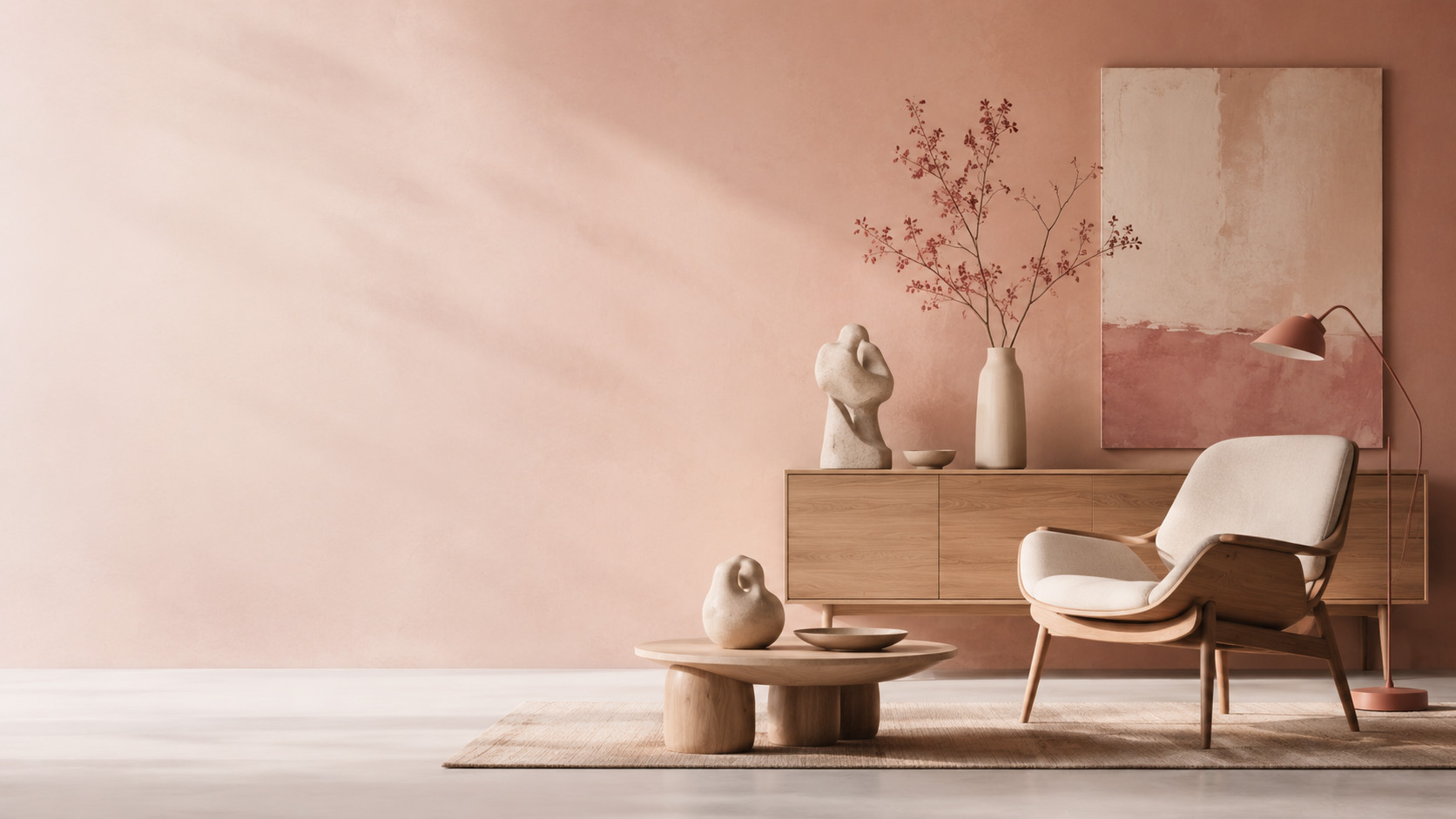
Put it away when the season asks
Furniture that cannot go back outside is furniture pretending. After the chair is in, we still edit:
- Take the outdoor cushion off if it shines
- Keep one timber grey, not oiled to a yacht
- Store the spare cloth in cotton, not in plastic
The point is not to live at the coast. It is to let a piece of timber that remembers weather sit indoors without turning the room into a holiday brochure.
