


Oil, Soap, and Matte Lacquer
A finish is not a flavour. It is a calendar. Oil, soap, matte lacquer, and unfinished each ask a different year of the sitter — how they feel, how often they want a cloth, and what fails first in a dry room. Sample-room notes, plus a slow care list.
NORDIC is a sample storefront built with Fatleon. This journal shows how a merchant blog page can look — cover, summary, photographs, and tables. To learn more about Fatleon, visit fatleon.com.
A finish is not a flavour. It is a calendar. Oil asks for a cloth twice a year. Soap asks for a pale wash when the timber looks thirsty. Matte lacquer asks to be left alone, and then shows every scratch as a scratch. Unfinished asks almost nothing until the first stain, and then it asks for everything. In the sample rooms we choose the calendar before we choose the sheen. A chair that looks right on the day it arrives and wrong in March was finished for a photograph.
Four finishes, four speeds
There is no best finish. There is a household that will oil, and a household that will not. We do not sell a ritual the sitter will abandon in six weeks. The table is a studio reminder, not a promise printed on every SKU. Always check the product page; the sample rooms are honest about being rooms for photographs, not laboratories.
| Finish | Feel | Care calendar | Watch for |
|---|---|---|---|
| Oil | Open, slightly satin, timber still timber | Dry wipe after meals; oil once or twice a year | Dry patches in winter; a sticky film if you oil because guests are coming |
| Soap | Pale, chalky, tactile, a little thirsty | Soap wash when the grain looks dull, not on a schedule | Water rings if a glass sits; darkening if you scrub |
| Matte lacquer | Closed, even, a quiet skin | Dust; no oil; a damp cloth if you must | Scratches that do not blend; a sheen that creeps if you polish |
| Unfinished | Raw, open pores, a dry hand | Almost nothing, then everything after the first mark | Stains, raised grain, a surface that records every cup |
Oil is a conversation
Oil does not seal. It feeds, and then it leaves. The LINNEA Oak Side Chair is the kind of oak that looks better after the second year if someone in the house will wipe it and, once or twice, oil it. If nobody will, choose lacquer and stop hoping the timber will teach the household a hobby. Oil that is neglected does not stay “natural.” It stays dry, then dirty, then shiny in the places hands always land.
Soap is not unfinished
Soap is a finish with a pale voice. It closes the grain just enough that a spill has a minute to be wiped, and it keeps oak from going honey too fast. It is not the same as raw timber. Raw timber will take red wine as a story you did not ask for. Soap will still take it if you wait, but it waits with you a little longer. We use soap when the room wants the timber light, and the household will accept a wash, not a polish.
Choose the finish you will still keep in February, not the one that looks liveliest on the day the chair comes out of the crate.
Matte lacquer and the closed surface
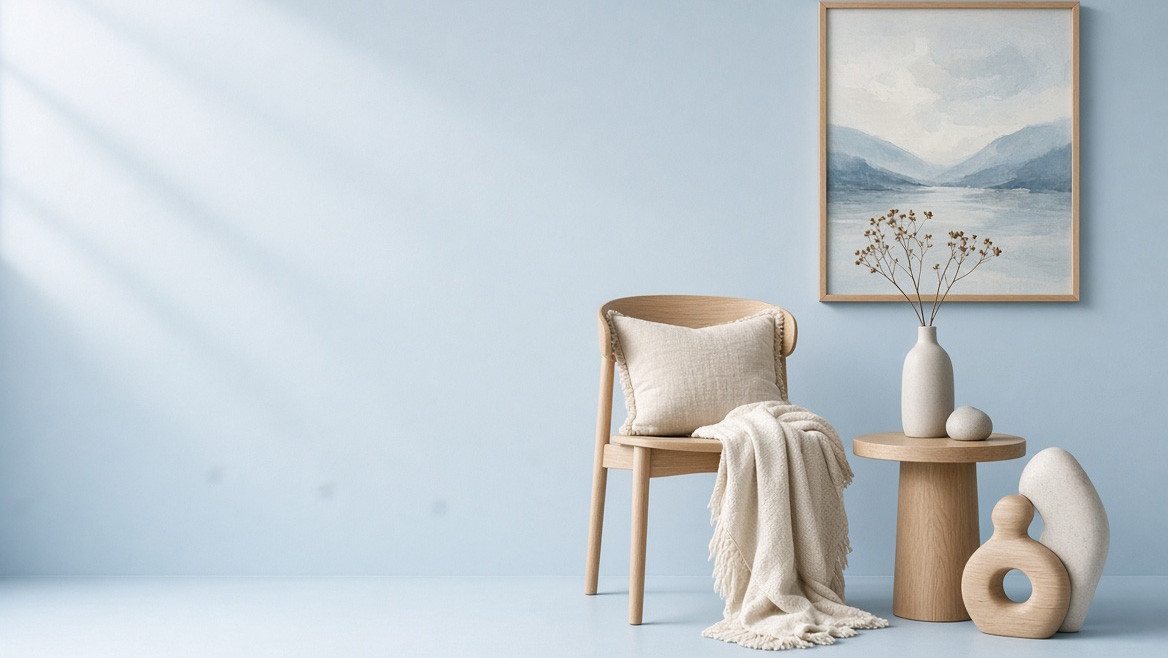
Matte lacquer is for the sitter who will put a wet glass down and walk away. It is also for pale woods that would stain if they were only oiled. It is not a lesser craft. It is a different contract: the chair will look even, and the scratches will look like scratches. Do not oil over lacquer to “warm it up.” You will build a film that never dries the way oil on timber dries.
Unfinished sits at the other pole. The Wabi-Sabi Unfinished Wood Zen Chair is sold as a chair that keeps the timber raw on purpose. That is a climate, not a lack of budget. It will mark. The marks are the point, until they are a ring from a plant pot, at which point they are a complaint. Keep unfinished away from tomato and red fruit. Pair it with a textile that can take the hand — the Shearling Winter Hearth Tea Chair in the same room can carry winter so the raw timber does not also have to carry a sheepskin.
- One finish per timber object, not a tasting of sheens on one chair
- Oil only where the product page says oil
- Unfinished only if the household likes a record of use
A slow care calendar
We keep the calendar slow so the chair is not asked to be new every Sunday. Fast care is how oil becomes tacky and how soap becomes a grey paste in the pores. If something goes wrong in transit, the care page is not the place for theatre — see our quality notes and write with photographs.
- Weekly: dry cloth on timber, nothing on lacquer but dust
- Seasonally: oil only the oiled pieces, soap only the soaped, never both on one object
- Never: polish, wet rings left overnight, unfinished timber under a dripping vase
What the sample rooms leave unpolished
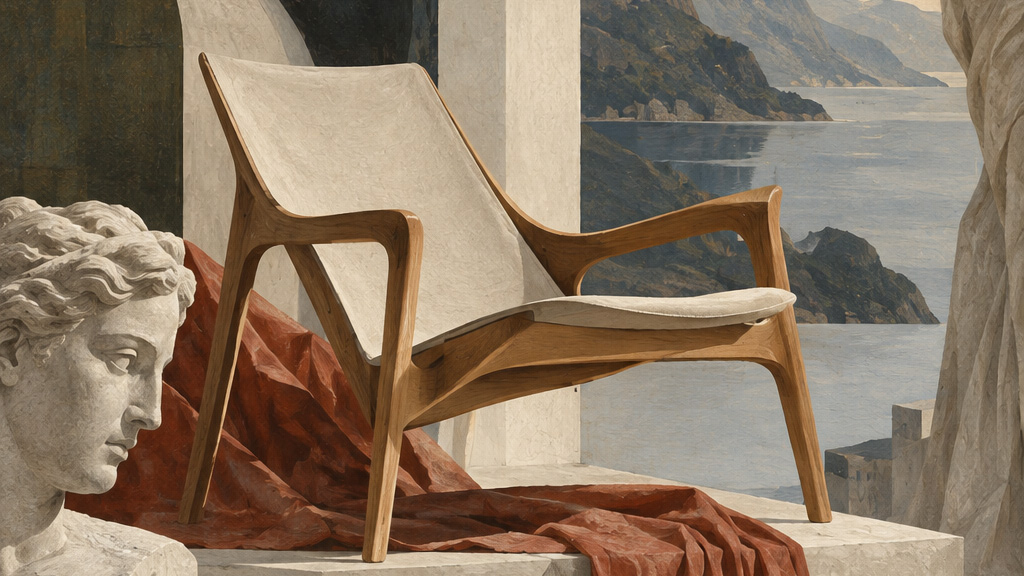
We leave the sheen unpolished so the grain can still be grain. We leave one object unfinished so the room has a dry note. We do not leave a dining chair unfinished unless the household has agreed to the calendar. The point of a maker’s finish is not to look expensive in a photograph. It is to still look like the same chair in a year, with a few honest marks and no sticky film. Choose the calendar. The sheen will follow, or it will not — and that, too, is information.
